
New Year, New Strategy: Why Businesses Should Engage Consultants Before Q1
For many organisations, January is treated as the official starting point for strategy. Budgets are finalised, goals are discussed, and leadership teams attempt to define direction for the year ahead. In practice, however, January is rarely the best time to begin strategic planning.
By the time Q1 starts, markets are already active, operational demands are high, and teams are under pressure to deliver results quickly. Planning at this stage often becomes rushed, reactive, and disconnected from long-term objectives. This is why high-performing organisations engage consultants before the new year not after it begins.
Engaging consultants during the final weeks of the year allows businesses to plan with intention rather than urgency. Instead of reacting to market movements, leadership teams have the time and space to assess their position, define priorities, and align resources before execution begins.
One of the most significant advantages of pre-Q1 consulting engagement is strategic clarity. Many businesses enter the new year with vague objectives such as “grow revenue” or “expand operations,” without a clear roadmap for achieving them. Consultants help translate these broad ambitions into specific, measurable, and realistic strategies that align with market conditions and organisational capacity.
Early engagement also leads to stronger financial and resource planning. When strategy is defined before budgets are locked in, organisations can allocate resources more effectively. Investments are prioritised, unnecessary costs are reduced, and spending decisions are tied directly to strategic outcomes. This is particularly important in environments such as Nigeria and the UK, where economic uncertainty and regulatory changes require careful planning.
Risk management is another critical benefit. Pre-Q1 consulting allows businesses to identify potential risks regulatory, operational, financial, or market-related before they become problems. Rather than responding to disruptions mid-year, organisations enter the new year with mitigation plans already in place.
Perhaps the most practical advantage is speed of execution. Businesses that complete their strategic planning before Q1 do not spend the first quarter debating direction. They execute immediately. Teams are aligned, priorities are clear, and performance metrics are already defined. This momentum often creates a significant competitive advantage, especially in fast-moving or highly competitive sectors.
External consultants play a key role in this process by providing objective insights and structure. They challenge assumptions, introduce proven methodologies, and ensure that strategy development is disciplined rather than emotional or politically driven. For leadership teams, this external accountability often makes the difference between a plan that sits on paper and one that drives real results.
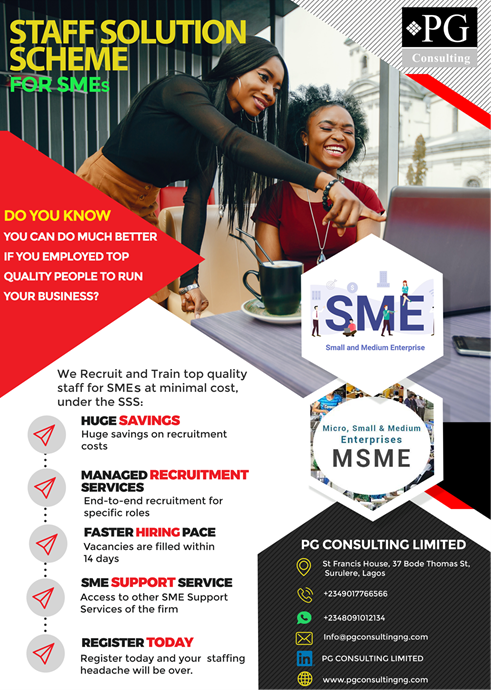
Engaging consultants before Q1 is not only for large corporations. SMEs, growing enterprises, and family-owned businesses benefit just as much sometimes more from early strategic clarity. Whether the goal is expansion, restructuring, market entry, or performance improvement, preparation is the defining factor.
The most successful businesses do not wait for the new year to decide what they want to achieve. They prepare before it begins.
In a competitive and unpredictable business environment, early planning is not a luxury it is a necessity.